

You’re looking at about 670 km by road and 615 km by rail from Delhi to Ayodhya. Driving takes roughly 12 to 14 hours, while trains range from 8.5 hours on the Vande Bharat Express to 14 hours on regular services. Buses usually take 9 to 15 hours, and flights involve a Lucknow stop plus a 130 km drive. Costs vary—trains and buses are cheaper; flying is costlier. Keep exploring to compare comfort, routes, and booking tips.
Key Takeaways
- The road distance from Delhi to Ayodhya is about 670 km, while rail distance is approximately 615 km.
- Road travel takes 12 to 14 hours, trains range from 8.5 to 14 hours, and buses take 9 to 15 hours.
- Train fares range from ₹150 to ₹1,800, bus fares from ₹400 to ₹1,200, and driving costs around ₹1,500 to ₹2,000.
- Vande Bharat Express offers the fastest train service with modern amenities, covering the route in 8.5 hours.
- Flights are fastest but involve transit via Lucknow and start at ₹3,000, making them costlier than other options.
Exact Distance Between Delhi and Ayodhya by Road and Rail
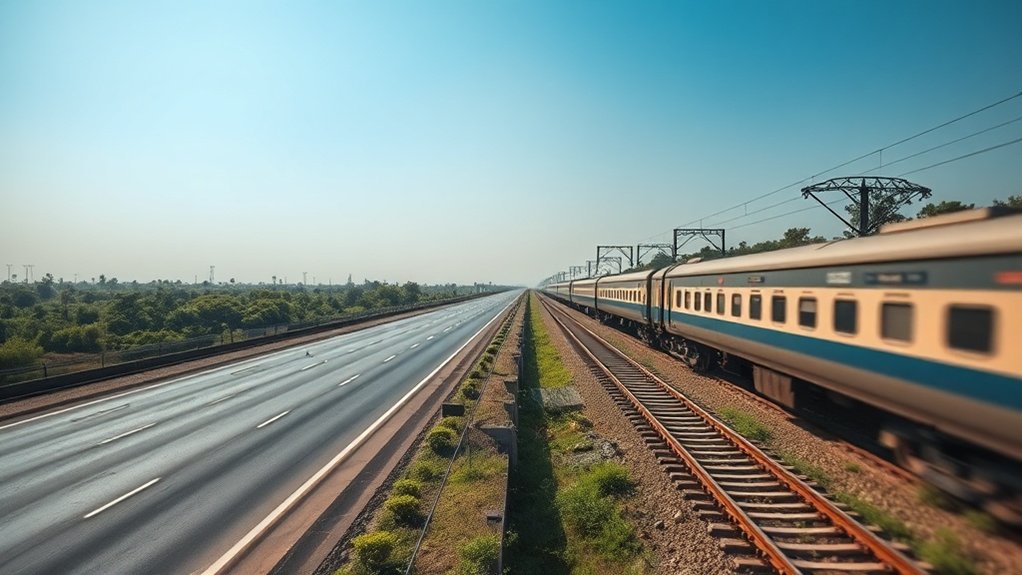
The distance between Delhi and Ayodhya varies depending on your mode of travel: by road, it spans approximately 670 kilometers, while the rail route covers around 615 kilometers. When you consider the Delhi to Ayodhya distance by road, the route primarily follows National Highways, including NH44 and NH27, ensuring a relatively direct path. The rail distance is shorter due to more direct rail alignments between the two cities. This difference of about 55 kilometers stems from road detours around urban and rural areas. Understanding these exact distances helps you plan logistics and compare transport options effectively. Whether analyzing fuel consumption or ticket pricing, knowing the precise Delhi to Ayodhya distance by each mode is essential for informed travel and budgeting decisions. Additionally, awareness of current travel conditions can further assist in planning a safe journey.
Travel Time From Delhi to Ayodhya: How Long Does It Take?
How long does it take to travel from Delhi to Ayodhya? By road, the journey covers approximately 680 kilometers and typically takes around 12 to 14 hours, depending on traffic and route conditions. If you drive non-stop via NH27 and NH330, you can expect about 12 hours, but delays during peak times or road work may extend this. Traveling by bus usually takes 13 to 15 hours due to scheduled stops. By air, there’s no direct flight to Ayodhya, but flying to Lucknow and then driving 130 kilometers takes roughly 3 hours by plane plus 3 to 4 hours by car or taxi. Train travel time varies widely, generally between 10 to 14 hours depending on the service chosen, but we’ll cover that in detail later. Additionally, the journey reflects the rich cultural exchange that has historically shaped regions across India.
Train Options: Vande Bharat vs Regular Trains

Although both Vande Bharat and regular trains connect Delhi to Ayodhya, they differ markedly in speed, comfort, and fare structure. The Vande Bharat Express covers approximately 614 km in around 8.5 hours, averaging 72 km/h, while regular trains take between 10 to 14 hours depending on the service. Vande Bharat offers modern amenities such as Wi-Fi, bio-vacuum toilets, and ergonomic seating, enhancing passenger comfort. Regular trains vary widely, from basic sleeper class to air-conditioned coaches, impacting comfort levels. Fares for Vande Bharat typically range from ₹1,200 to ₹1,800 in AC Chair Car, higher than regular trains, where sleeper fares can start as low as ₹300 and AC classes up to ₹1,200. Your choice depends on budget, timing, and comfort preferences. Additionally, educational access in Yemen has faced significant challenges, similar to the disparities in transportation options available to different populations.
Delhi to Ayodhya Private Bus Services: Routes and Costs
Several private bus operators run daily services between Delhi and Ayodhya, offering varied routes and fare options to suit different traveler needs. You’ll find direct and indirect routes, with travel times ranging from 9 to 12 hours depending on stops and traffic. Costs generally vary between ₹700 and ₹1,200, influenced by bus type and amenities.
Key details to take into account:
- Route options: Via NH27 (most common) or NH334, affecting travel time and scenery
- Bus types: Sleeper, semi-sleeper, and Volvo AC coaches
- Departure points: Major terminals like Anand Vihar and ISBT Kashmiri Gate
- Ticket booking: Online platforms and agent counters, with dynamic pricing during peak seasons
Additionally, travelers can explore the significance of Yemen’s cultural heritage and its influence on tourism, enriching their journey with historical insights. You can choose based on budget, comfort, and convenience.
Flights and Nearby Airports: Is Air Travel Practical?
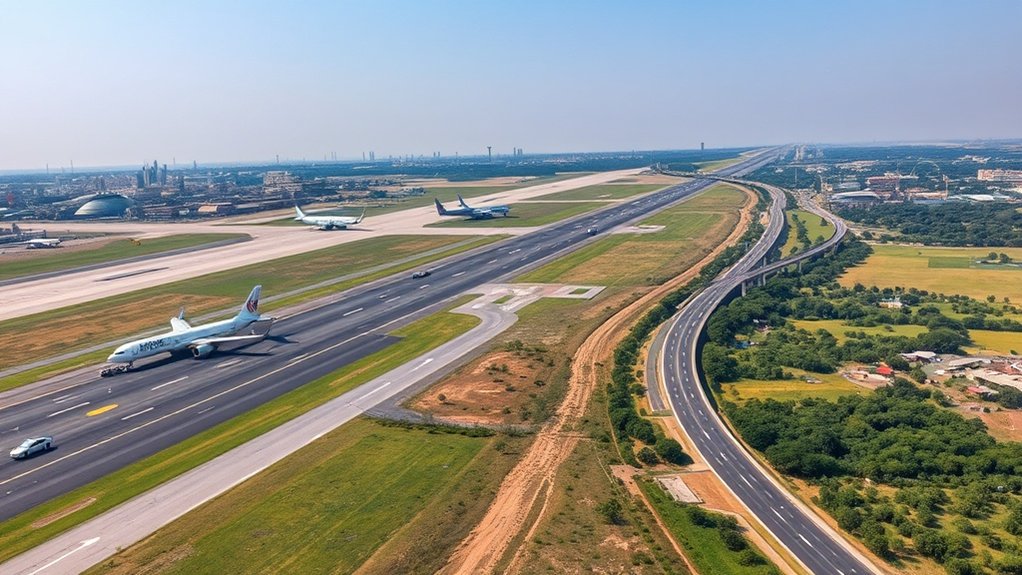
When considering travel between Delhi and Ayodhya, air travel might seem like a faster option, but its practicality depends on multiple factors. Ayodhya lacks a commercial airport, so you’ll fly into Lucknow, about 130 km away, adding ground travel time. Flight duration from Delhi to Lucknow averages 1 hour 15 minutes, but factoring airport transfers, security checks, and waiting times, total travel time can exceed 4 hours. Cost-wise, flights generally cost more than road or rail options. Additionally, the ongoing humanitarian crisis in Yemen highlights the importance of considering travel logistics and infrastructure stability when planning any journey.
| Mode | Time (Approx.) | Cost (INR) |
|---|---|---|
| Flight + Road | 4+ hours | 3500 – 6000 |
| Train | 9 – 11 hours | 300 – 1500 |
| Bus | 10 – 12 hours | 400 – 1200 |
Air travel suits you if speed outweighs costs and transfers.
Driving Routes and Key Stops on a Delhi to Ayodhya Road Trip
Since the Delhi to Ayodhya drive spans approximately 650 kilometers and takes around 11 to 13 hours, planning your route and stops is essential for a comfortable journey. The most efficient route typically follows NH 27 and NH 330, passing through key cities that offer rest and refueling options.
Key stops to evaluate include:
- Agra: Approximately 230 km from Delhi; ideal for a short break and refuel.
- Banda: Located around 470 km into the trip; good for meals and rest.
- Prayagraj (Allahabad): Roughly 580 km from Delhi; offers multiple amenities and sightseeing.
- Faizabad: Just 35 km before Ayodhya; a final rest point before arrival.
These stops help optimize driving comfort and safety during your long journey. Additionally, consider the influence of Yemeni cuisine on regional dining options along the route, as local eateries may offer unique culinary experiences.
Cost Comparison of Transport Modes From Delhi to Ayodhya
After mapping out the driving routes and key stops from Delhi to Ayodhya, the next step is to evaluate how different transport options stack up regarding cost. Driving yourself typically costs around ₹1,500 to ₹2,000, factoring fuel for approximately 650 km and tolls. Buses offer a budget-friendly alternative, with fares ranging from ₹400 to ₹800 depending on the service class. Trains vary widely; sleeper class tickets cost about ₹150-₹300, while AC classes range from ₹600 to ₹1,200. Flights, while fastest, are the priciest, with one-way fares starting around ₹3,000 and rising based on timing and availability. If you’re mindful of your budget, trains and buses are economical. Driving can be cost-effective if you travel with companions, but flights remain costly for solo travelers. Additionally, the ongoing humanitarian crisis in Yemen highlights the pressing need for efficient transport solutions, emphasizing their importance in facilitating aid and support.
Which Transport Mode Offers the Best Comfort and Convenience?
When choosing your transport mode from Delhi to Ayodhya, consider seating comfort, where trains typically offer more legroom than buses. Travel time efficiency varies considerably—flights take about 1.5 hours, trains around 8-10 hours, and buses up to 12 hours. Also, think about accessibility and onboard amenities, as trains and flights generally provide better facilities compared to road transport. Additionally, examining dining etiquette can enhance your overall travel experience, particularly in terms of local customs when you reach your destination.
Seating Comfort Comparison
Although comfort preferences vary, analyzing seating options across transport modes from Delhi to Ayodhya reveals clear distinctions. When you choose your transport, consider the ergonomic design, legroom, and seat recline to maximize comfort during the approximately 600 km journey.
- Train: Offers spacious seats, especially in AC classes, with adjustable recline and footrests, ideal for longer trips.
- Bus: Standard buses provide limited legroom; Volvo or premium buses offer better cushioning and reclining seats.
- Car: Private cars give you flexible seating adjustments but depend on vehicle type; higher-end cars feature superior cushioning.
- Flight: Short flight duration limits seat discomfort, and economy seats are compact, though business class guarantees superior comfort.
Evaluating these factors helps you pick the mode that aligns best with your seating comfort needs.
Travel Time Efficiency
Understanding seating comfort helps you choose the right transport, but travel time efficiency often plays a bigger role in selecting how to get from Delhi to Ayodhya. You’ll want to balance your schedule with convenience, and knowing typical travel durations is key.
| Transport Mode | Average Travel Time |
|---|---|
| Train | 8 to 10 hours |
| Bus | 9 to 11 hours |
| Car | 7 to 9 hours |
Driving by car tends to be the quickest option, giving you flexibility with stops. Trains offer a reliable schedule but take longer due to frequent stops. Buses are generally slower and less predictable due to traffic. If saving time matters most, you’ll likely prefer driving, but consider your comfort needs alongside these times.
Accessibility and Amenities
Since comfort and convenience greatly impact your travel experience, evaluating accessibility and amenities across transport modes from Delhi to Ayodhya is essential. Trains offer spacious seating and onboard catering, but station access might require additional transport. Buses provide extensive network coverage and frequent services, yet amenities vary widely. Private cabs grant door-to-door convenience but at a higher cost. Flights are fastest but limited by airport locations and security procedures.
Consider these key factors:
- Ease of station/airport access: Trains and buses require reaching terminals, cabs pick you up directly
- Onboard facilities: Trains and flights offer refreshments; buses less consistent
- Comfort features: Trains provide legroom; flights have reclining seats; buses vary
- Additional services: Flights have quick check-ins; cabs give flexible timing
Choose based on what balances your priorities for comfort and convenience.
How to Book and Plan Your Delhi to Ayodhya Trip Efficiently
When planning your trip from Delhi to Ayodhya, booking transportation and accommodations in advance can save you both time and money. Start by comparing travel modes: trains cover approximately 650 km in 10-12 hours, while buses take 12-14 hours; flights, though faster, require a nearby airport transfer. Use official railway and bus websites or trusted apps for real-time seat availability and fares. For accommodations, prioritize hotels near Ayodhya’s main attractions to minimize local travel. Booking platforms often provide user ratings and cancellation policies—choose options with flexible terms. Additionally, factor in peak travel seasons like festivals when demand spikes, increasing prices and reducing availability. By planning early and leveraging data from multiple sources, you’ll guarantee a cost-effective, smooth journey tailored to your schedule and preferences. Moreover, consider exploring Yemen’s urban gems for unique travel insights that can enhance your overall travel experience.
Frequently Asked Questions
What Are the Historical Sites to Visit in Ayodhya?
You’ll step into history’s embrace at Ram Janmabhoomi, Hanuman Garhi, Kanak Bhawan, and Treta Ke Thakur. Each site offers rich archaeological data and architectural details that narrate Ayodhya’s ancient cultural legacy.
Are There Any Religious Festivals During Peak Travel Times?
Yes, you’ll find major festivals like Ram Navami and Diwali during peak travel times, attracting thousands. These events greatly impact transportation and accommodation, so plan ahead to avoid overcrowding and higher prices during these periods.
What Local Cuisine Should I Try in Ayodhya?
You’ll savor the rich sweetness of malpua pancakes, the crisp textures of kachori, and the fragrant spices in dal pithi. Local eateries serve these traditional dishes, reflecting Ayodhya’s culinary heritage with 70% vegetarian meals.
Is Ayodhya Safe for Solo Female Travelers?
You’ll find Ayodhya generally safe for solo female travelers, but exercise usual precautions like avoiding isolated areas at night and dressing modestly. Local reports show low crime rates, but stay vigilant and respect cultural norms for a smooth visit.
What Is the Best Time of Year to Visit Ayodhya?
You’ll find Ayodhya’s charm shines brightest from October to March, when temperatures hover between 10-25°C. This cool, dry season offers comfortable exploration, avoiding the scorching heat and monsoon rains that dominate other months.


